Most pest problems that reach a homeowner's attention fall somewhere on a spectrum: a couple of mice in the garage is not the same situation as a colony of subterranean termites working through your floor joists. The decision of whether to handle it yourself or call a licensed exterminator isn't about courage or frugality — it's about accurately reading where on that spectrum you actually are.
Here's how to make that call, category by category, with realistic cost figures so you can weigh the math honestly.
The general rule before the specifics
DIY pest control works well when: the pest species is confirmed, the infestation is localized, and effective products are legally available to consumers. It breaks down when the infestation is structural, the pest requires licensed pesticides, or the biology of the pest makes consumer-grade tools genuinely ineffective.
With that frame in mind, here's where each major category falls.
Rodents (mice and rats)
Handle it yourself when:
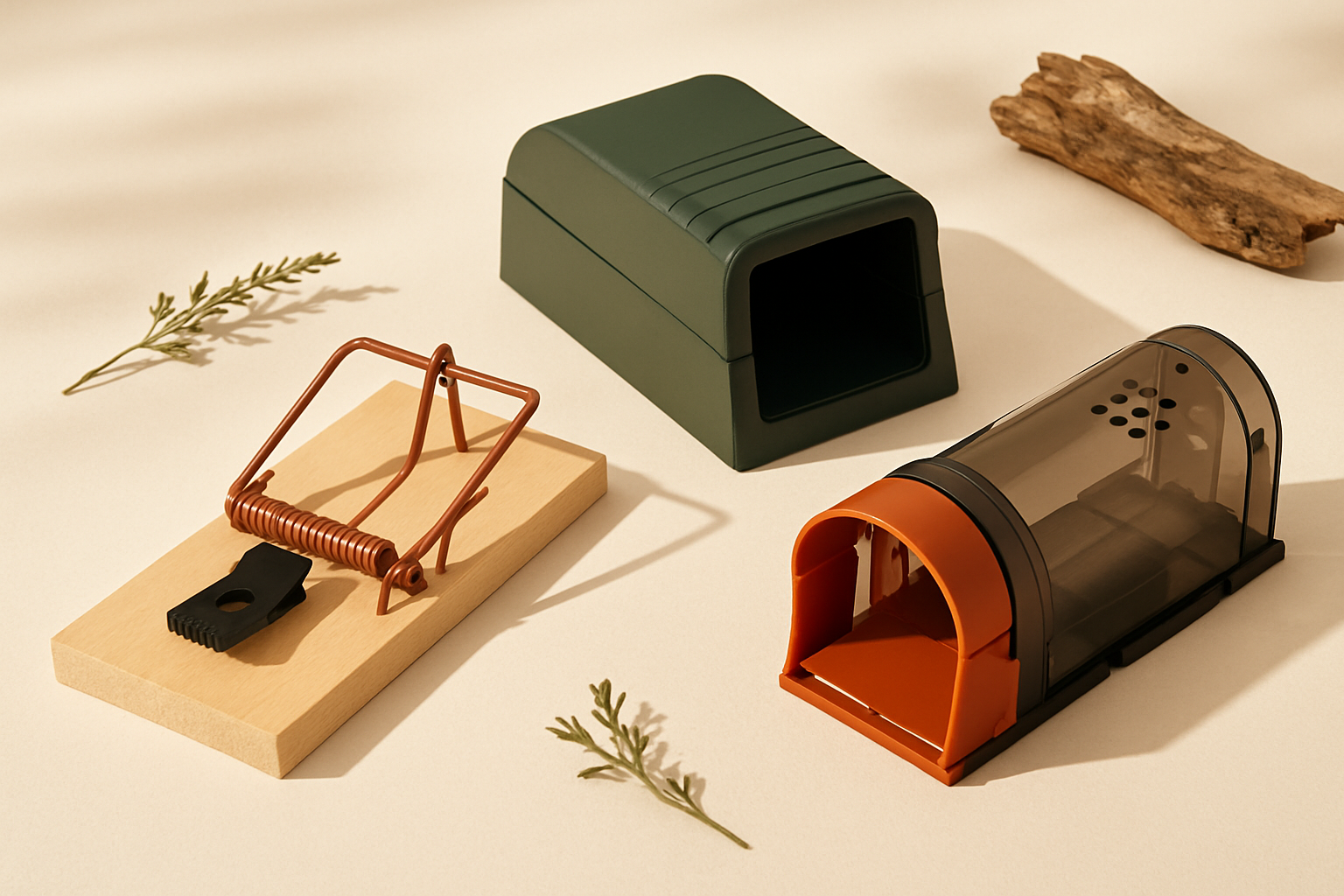
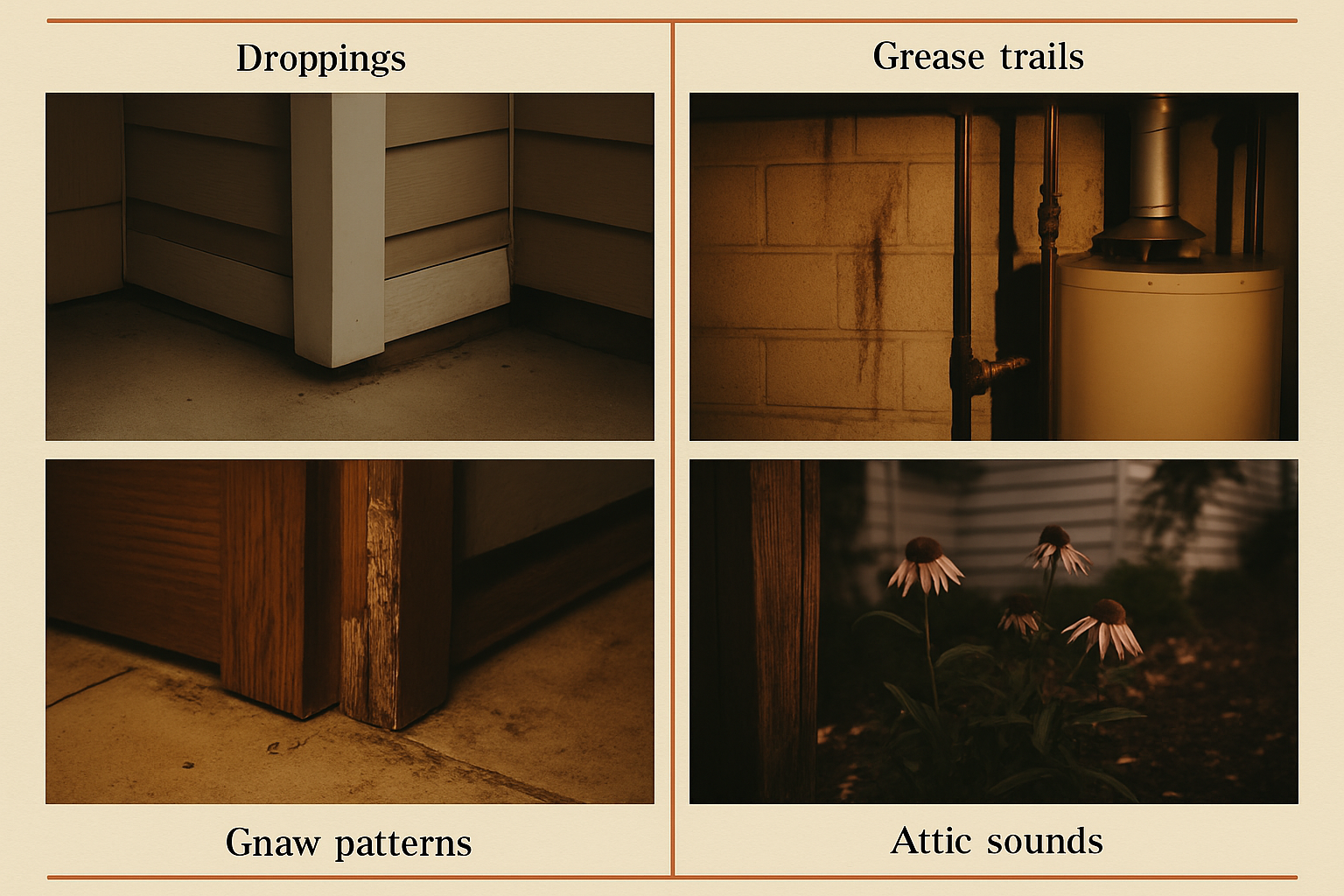
You're dealing with one entry point and fresh evidence — a few droppings, one gnaw mark on a cabinet corner, no evidence of nesting. Set snap traps or electronic traps, locate and seal the entry point with steel wool and caulk, and monitor for two weeks. A good snap trap costs under $5. A quality electronic trap runs $25–$40. Total investment: under $60, plus an hour of exclusion work.
Call a pro when:
You're finding droppings in multiple rooms, hearing movement in walls or the attic at night, or seeing grease trails along baseboards. These are signs of an established colony, not a wayward individual. A professional rodent exclusion — sealing the structure, removing harborage, and placing commercial bait stations — typically runs $300–$600 for a single-family home. That's money well spent if the alternative is a growing colony chewing through wiring.
The cost math on rodents
Electrical fires caused by rodent gnawing account for an estimated 20–25% of undetermined house fires annually. A $400 professional exclusion against a potential insurance claim — or worse — is not a close comparison.
Termites
Handle it yourself when:
You suspect termite activity but haven't confirmed it. Consumer-grade monitoring stations (Spectracide Terminate, for example) cost $20–$40 and give you an early-warning system around the perimeter. If you catch activity in a monitoring station before structural damage appears, you've got time to evaluate options without pressure.
Call a pro when:
You see mud tubes on foundation walls, hollow-sounding wood when you tap it, or discarded wings near windowsills in spring. Confirmed subterranean termite activity requires either liquid soil treatment (termiticides applied around the entire foundation) or a baiting program — neither of which is realistically executable by a homeowner to the standard required to stop an active colony. Expect $800–$2,500 depending on home size and treatment method. Drywood termites are a separate situation; spot treatments with foam are sometimes viable for small, localized infestations, but whole-structure fumigation is a licensed-only service.
Cockroaches
Handle it yourself when:
You're seeing German cockroaches in a kitchen or bathroom with no evidence they've spread to other rooms. Gel bait (Advion, Vendetta) applied in dime-sized placements behind appliances and under sinks is genuinely effective — this is the same product class professionals use, and it's available to consumers. Expect results within two to three weeks if you're thorough. Cost: $15–$30 for enough gel to treat a kitchen properly.
Call a pro when:
You're seeing roaches during the day (a sign of population pressure, not just a few stragglers), finding evidence in multiple rooms, or dealing with an American cockroach population coming up from a sewer line. Sewer-origin infestations require access treatments and sometimes plumbing assessment that falls outside DIY scope.
Wasps and hornets
Handle it yourself when:
You have a single, visible paper wasp nest smaller than a softball, attached to an eave or railing, and you can safely reach it at night when the colony is inactive. A $6 can of wasp freeze at close range, applied after dark, is effective and inexpensive.
Call a pro when:
The nest is inside a wall void, in an attic, or underground (yellow jackets). Internal nests are nearly impossible to treat completely without opening a wall, and agitated yellow jackets in an enclosed space are a genuine medical risk. Expect $150–$400 for professional nest removal depending on location and accessibility. If anyone in your household has a known venom allergy, don't attempt any wasp treatment yourself.
Bedbugs
Handle it yourself when:
You've identified a single piece of furniture — a used mattress or a recently purchased item — as the source, and the infestation has not spread to the room's walls or floor. Encase the mattress and box spring, wash all bedding at high heat, and use a contact-kill spray on the furniture seams. This is a narrow window.
Call a pro when:
You've had bedbugs for more than a few weeks, or you're finding evidence in multiple pieces of furniture or along baseboards. Bedbugs are the pest category where professional treatment pays off most reliably. Consumer pesticides can kill exposed bugs but don't reliably reach harborage sites inside walls, electrical outlets, and furniture joints. Heat treatment ($1,000–$2,500) or a professional chemical program ($300–$800 for a single room) is expensive but far more likely to resolve the problem in one cycle than months of DIY attempts.
Expert tip from Darnell Whitfield, ACE
The most common reason DIY pest control fails isn't the product — it's misidentification. Knowing whether you have German cockroaches or Oriental cockroaches, subterranean termites or carpenter ants, changes the entire treatment approach. If you're not certain of the species, spend $75–$100 on a one-time professional inspection before buying anything. Most pest control companies will apply the inspection fee toward treatment if you hire them.
A simple decision table
| Pest | DIY threshold | Call a pro threshold | Pro cost range |
|---|---|---|---|
| Mice / rats | Single entry point, fresh evidence | Multi-room activity, attic/wall sounds | $300–$600 |
| Termites | Monitoring only, no confirmed damage | Mud tubes, hollow wood, swarming | $800–$2,500 |
| Cockroaches | Single-room German roach, gel bait viable | Daytime sightings, multi-room, sewer origin | $200–$500 |
| Wasps / hornets | Small visible nest, accessible at night | Wall void, underground, allergy risk | $150–$400 |
| Bedbugs | Single-item, very early stage only | Spread beyond one piece of furniture | $300–$2,500 |
The bottom line
DIY pest control is genuinely effective across a wide range of situations — that's the whole reason this site exists. But there's a real category of infestations where consumer products, no matter how well-chosen or carefully applied, aren't going to get you there. Knowing which category you're in before you spend money and time is the most useful skill a homeowner can develop.
When in doubt: confirm the species, assess the scope honestly, and treat the inspection cost as research rather than an admission of defeat. A professional's assessment is data. Use it.
See our independently-tested rankings
Every product on Consumer Tested Picks is scored against published criteria. No brand pays for placement.
Browse All Reviews→