Most pest problems don't appear overnight. The mouse in your wall in November was scouting your foundation in September. The ant trail through your kitchen in June started with a colony that wintered in your mulch bed. Pest control professionals aren't surprised by infestations — they know the calendar almost as well as the biology.
This guide gives you that same seasonal rhythm. Work through it month by month and you'll spend less time reacting and more time doing nothing at all — which is the goal.
How to use this calendar
Treat each season's tasks as a short inspection circuit, not a day-long project. Most months require 20–40 minutes of focused attention. The work compounds: seal one gap in March and you may not see a mouse all winter.
Winter (January – February): Audit and seal
Pest pressure is low in winter, which makes it the best time to inspect without the urgency. Rodents already inside are active; new entry points are easier to spot in cold weather because gaps that let in cold air also let in pests.
January tasks
- Walk the foundation perimeter — look for gaps where utilities enter, cracks wider than a pencil, and damaged weatherstripping. Steel wool or copper mesh plus caulk closes most of these.
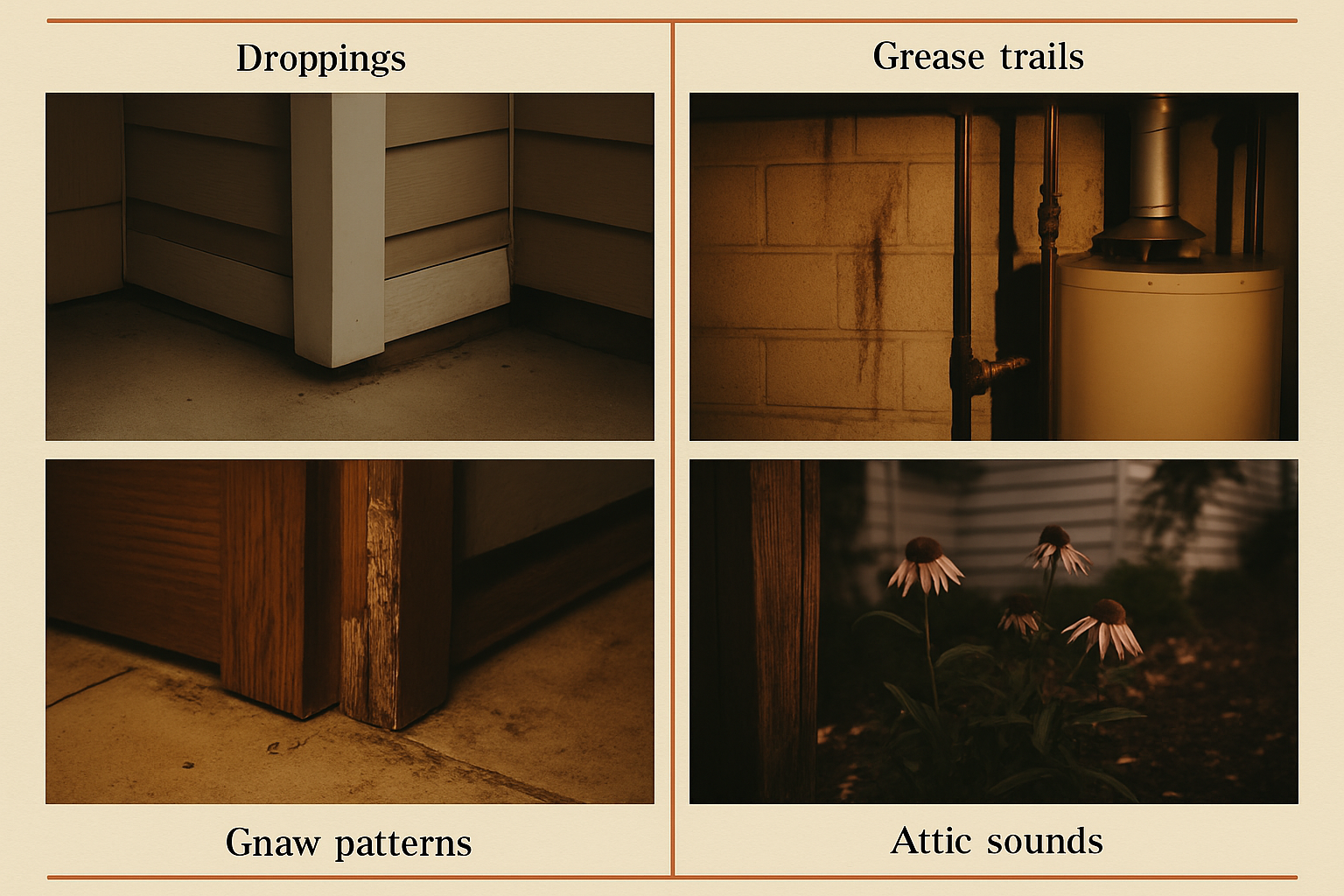
- Check the attic and crawl space — look for droppings, gnaw marks, and insulation disturbance. These are the clearest signs of an active rodent problem you missed in fall.
- Inspect your rodent bait stations — if you run exterior stations, check bait consumption and replace as needed. Cold weather keeps rodents foraging close to shelter.
February tasks
- Check stored items in garage and basement — cardboard boxes are prime nesting material. Move to sealed plastic bins if you find evidence of activity.
- Inspect firewood storage — firewood stacked against the house is an open invitation for termites and carpenter ants. Move piles at least 20 feet from the structure.
Spring (March – May): The most critical window
Spring is when pest activity accelerates and when your prevention work pays the biggest dividends. Termite swarmers, carpenter bees, ants, and mosquito larvae all become active in a short window. Getting ahead of them now is far easier than managing an established problem in July.
March tasks
- Termite inspection — walk the foundation looking for mud tubes, softwood damage, and discarded wings near window sills. If you run monitoring stations, inspect and replace bait cartridges.
- Drain standing water — mosquitoes need only a bottle cap of water to breed. Walk your yard after rains and clear gutters, overturned containers, and low spots.
- Apply perimeter granules or spray — a barrier treatment around the foundation before ant colonies begin foraging sets a clean line before pressure builds.
April tasks
- Set up mosquito traps — place CO2 or propane traps upwind of your main outdoor areas before peak season. Our mosquito trap reviews cover placement strategy in detail.
- Inspect deck and fence posts — carpenter ants and wood-boring beetles prefer damp wood. Treat soft spots and improve drainage away from structures.
- Check door and window screens — repair any gaps before warmer weather brings insects indoors.
May tasks
- Apply gel bait in kitchen and bath — cockroach pressure builds as temperatures rise. Place gel bait behind appliances and under sinks before you have a visible problem.
- Hang or place bug zappers — outdoor electric insect killers are most effective when positioned 20–30 feet from seating areas, not directly above them.
- Trim vegetation away from the house — shrubs and tree branches touching the roofline are rodent and ant highways. A 12-inch clearance gap makes a real difference.
Summer (June – August): Active management
Summer is the maintenance phase. If your spring work was thorough, your job now is monitoring and spot-treating rather than fighting established infestations.
June–July tasks
- Monitor mosquito trap catch counts — a sudden spike in catches often signals a nearby breeding source you haven't found yet.
- Reapply perimeter sprays — most residual sprays need refreshing every 4–8 weeks in warm, wet conditions. Check your product label.
- Inspect bait station bait consumption — high summer consumption can indicate a rodent population increase before you'd otherwise notice it.
- Check ultrasonic repeller placement — if you run plug-in units indoors, confirm nothing is blocking the emission path. Furniture rearranged for summer gatherings can neutralize coverage.
August tasks
- Yellow jacket and wasp survey — late summer is peak colony size. Locate nests before fall when wasps become defensive. Treat at dusk when activity is lowest.
- Inspect attic vents and soffits — late summer is when squirrels and raccoons begin scouting winter shelter. Repair any damaged screening now.
Darnell's field note
"The homeowners who call me in December with a serious rodent problem almost always skipped their September perimeter check. A single fall walkthrough — 30 minutes with a flashlight and a tube of caulk — would have changed their winter entirely. Timing beats product quality every time."
Fall (September – November): Lock it down
Fall is the second most important window, and the one most homeowners miss. Rodents, overwintering insects, and stink bugs are all actively seeking warmth before temperatures drop. This is your last clear opportunity to exclude them before they're inside.
September tasks
- Full exclusion walkthrough — repeat the January foundation check with fresh eyes. Seal every gap you find before the first cold snap.
- Refresh snap traps and bait stations — rodent pressure near structures increases sharply in September and October.
- Pull mulch away from the foundation — mulch retained heat and moisture against your sill plate is ideal habitat for termites and carpenter ants.
October–November tasks
- Remove standing water and clean gutters — standing water and leaf debris harbor overwintering insects and provide moisture that attracts pests to your structure.
- Apply residual spray in garage and basement — these transition zones are where most overwintering pests enter. A fall treatment reduces what you'll find active in spring.
- Store firewood properly — same rule as February: away from the house, elevated off the ground.
What this calendar won't solve
Consistent seasonal maintenance handles the vast majority of common household pests. There are four situations where it's time to stop managing and call a licensed professional: a confirmed termite infestation (not just monitoring), a bedbug discovery anywhere in the home, a wasp nest you cannot safely access, or a rodent problem that persists despite thorough exclusion and active trapping. Our guide on when to call an exterminator walks through the cost math for each scenario.
Find the right gear for each season
Our independent reviews cover the traps, sprayers, bait stations, and detectors you'll reach for throughout this calendar — tested in real homes, not a lab.
Browse Reviews→